 |
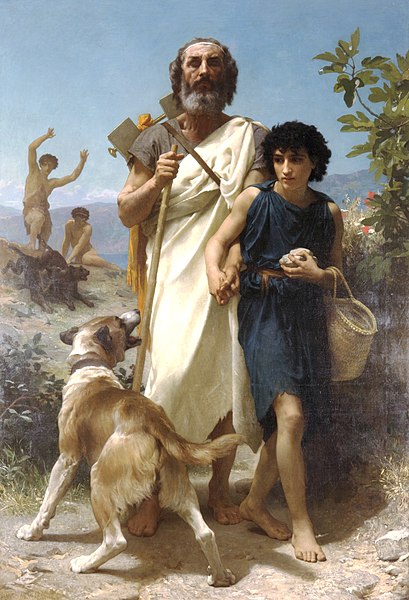
| Homer - A Man or Myth? |
Showing posts with label Greece. Show all posts
Showing posts with label Greece. Show all posts
Tuesday, October 11, 2011
Where spoken and written meet

Tuesday, October 4, 2011
Greek Please!

Tuesday, September 27, 2011
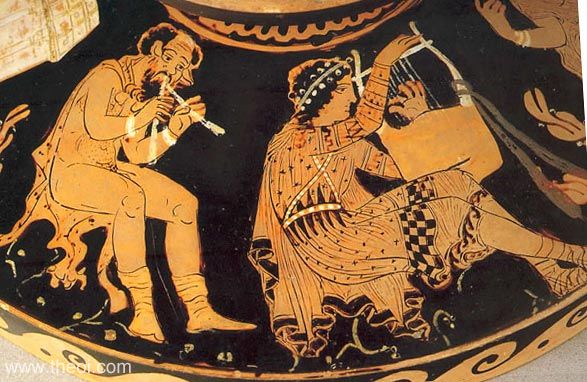
A-Muse Me with Music!
 Between 1600 and 1100 B.C. the Mycenaean culture was a dominant force in the Mediterranean. Centered on the northeastern side of the Peloponnese peninsula, they were a warrior favoring people who conquered many neighboring cultures in their expansion. There are not many direct records from their culture, however more famous texts such as Theogony by Hesiod, the Iliad and the Odyssey tell part of their story. In particular Hesiod tells the story of Greek Mythology, frequently referencing the Muses who aid in his story telling.
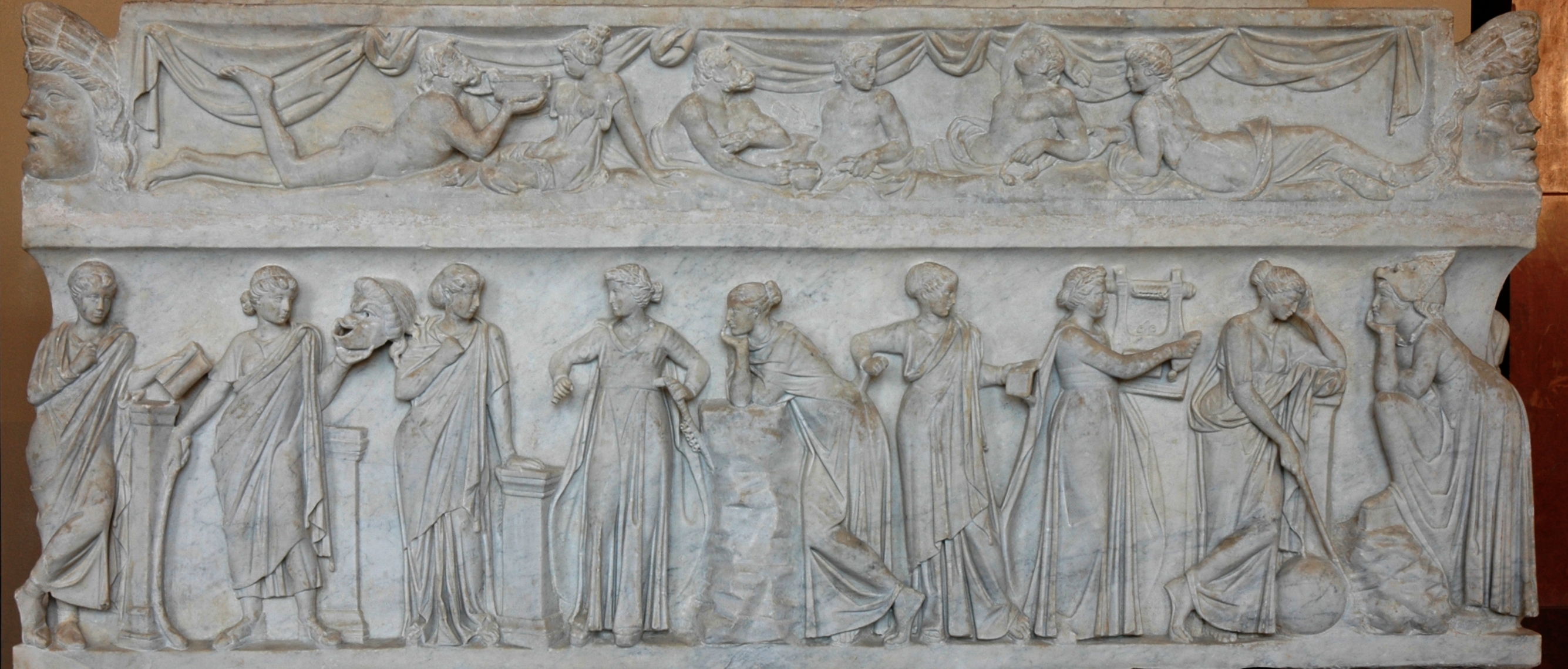 |
| A Muse sarcophagus with the nine Muses depicted |
Music was such an integral part of Greek life that it played into nearly every important event. According to John G. Landels, music was engrained into events such as public gatherings, private dinner parties, ceremonies, worship, comedies, tragedies, sports and athletic events, at schools, on the battlefield and on the ships (see page 1 in "Music in Ancient Greece and Rome", Routledge 1999.) It would be easy in today's world of music how this is possible and the effects that it has at bringing forward emotions within the people. To illustrate that, the 100,000 Watt sound system at the football stadium can easily sway the cheery fans to start stomping and yelling for their team with a couple of favorite songs.
 |
| Muses dancing with Apollos |
Subscribe to:
Posts (Atom)